
Introduction
A chemical peel is a popular skin treatment. It uses a special solution to remove the top layers of skin. As a result, many people choose a chemical peel to improve their skin’s look and feel. For example, it can help with acne scars, wrinkles, and uneven skin tone. This guide explains what a chemical peel is, its benefits, the procedure, risks, and aftercare tips. Always talk to a certified dermatologist before starting any skin treatment.
What is a Chemical Peel?
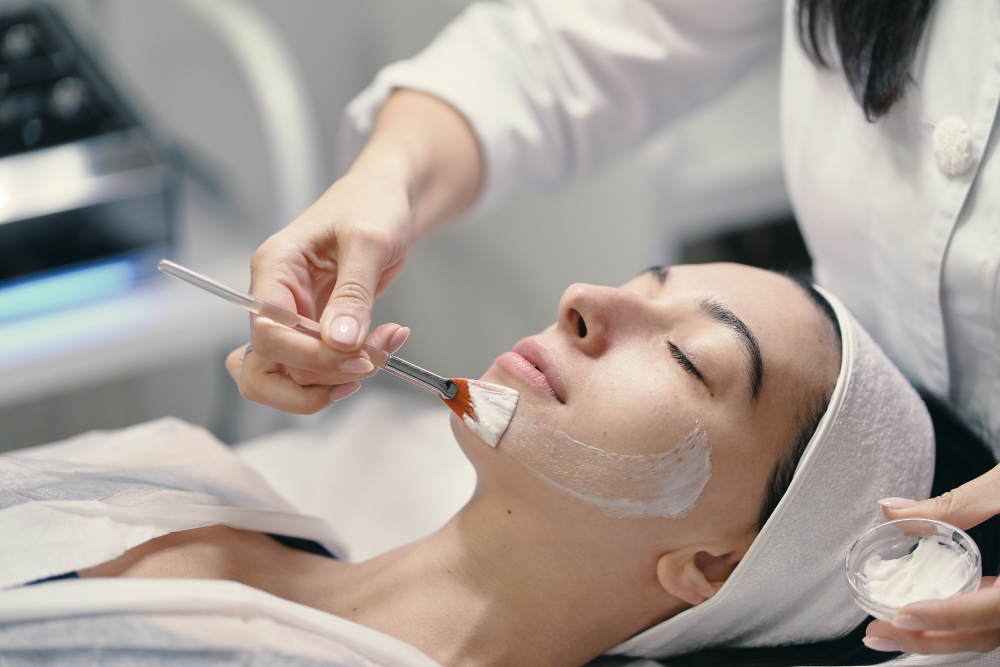
A chemical peel is a skin-resurfacing treatment. During the process, a chemical solution is applied to your skin. Then, the solution causes the top layers to peel off. New, smoother skin grows in its place. Because of this, chemical peels are often used to treat acne scars, sun damage, and fine lines. However, results can vary based on your skin type and the peel’s strength.
Types of Chemical Peels
There are three main types of chemical peels. Each type works at a different skin depth. Therefore, your doctor will help you choose the best one for your needs.
Benefits of Chemical Peels
Chemical peels offer many benefits for your skin. For instance, they can:
Additionally, chemical peels can boost your skin’s natural glow. Many people notice fresher, younger-looking skin after treatment.
Who is a Good Candidate?
Not everyone is a good candidate for a chemical peel. However, you may benefit if you have:
On the other hand, people with certain skin conditions or darker skin tones may need special care. Therefore, always consult a dermatologist before getting a chemical peel.
Risks and Side Effects
Like any treatment, chemical peels have some risks. Most side effects are mild and go away with time. However, you should know about possible issues:
Because risks can be higher for some people, always discuss your health history with your doctor before treatment.
Aftercare and Recovery Tips
Proper aftercare is key for good results and fast healing. Here are some chemical peel recovery tips:
Additionally, if you notice signs of infection, such as pus or severe pain, contact your doctor right away.
Prevention and Safety Advice
To stay safe, always choose a certified dermatologist for your chemical peel. Here are some safety tips:
Because safety is important, never try a chemical peel at home without expert advice.
In summary, chemical peels can improve your skin’s look and feel. However, they must be done safely. Consult a certified dermatologist to determine if a chemical peel is right for you.